How to Select the Perfect Fencing Material for Your Climate Jan 07, 2026
Assessing Your Local Climate
The first step in selecting the ideal fencing material is to evaluate the climate of your region. Different materials react distinctively to weather conditions. For instance, frequent rain may accelerate rusting in metal fences, while extreme sun could fade wooden panels. Thus, it's crucial to choose a material that complements your environmental conditions.
Fencing Materials for Varied Climates
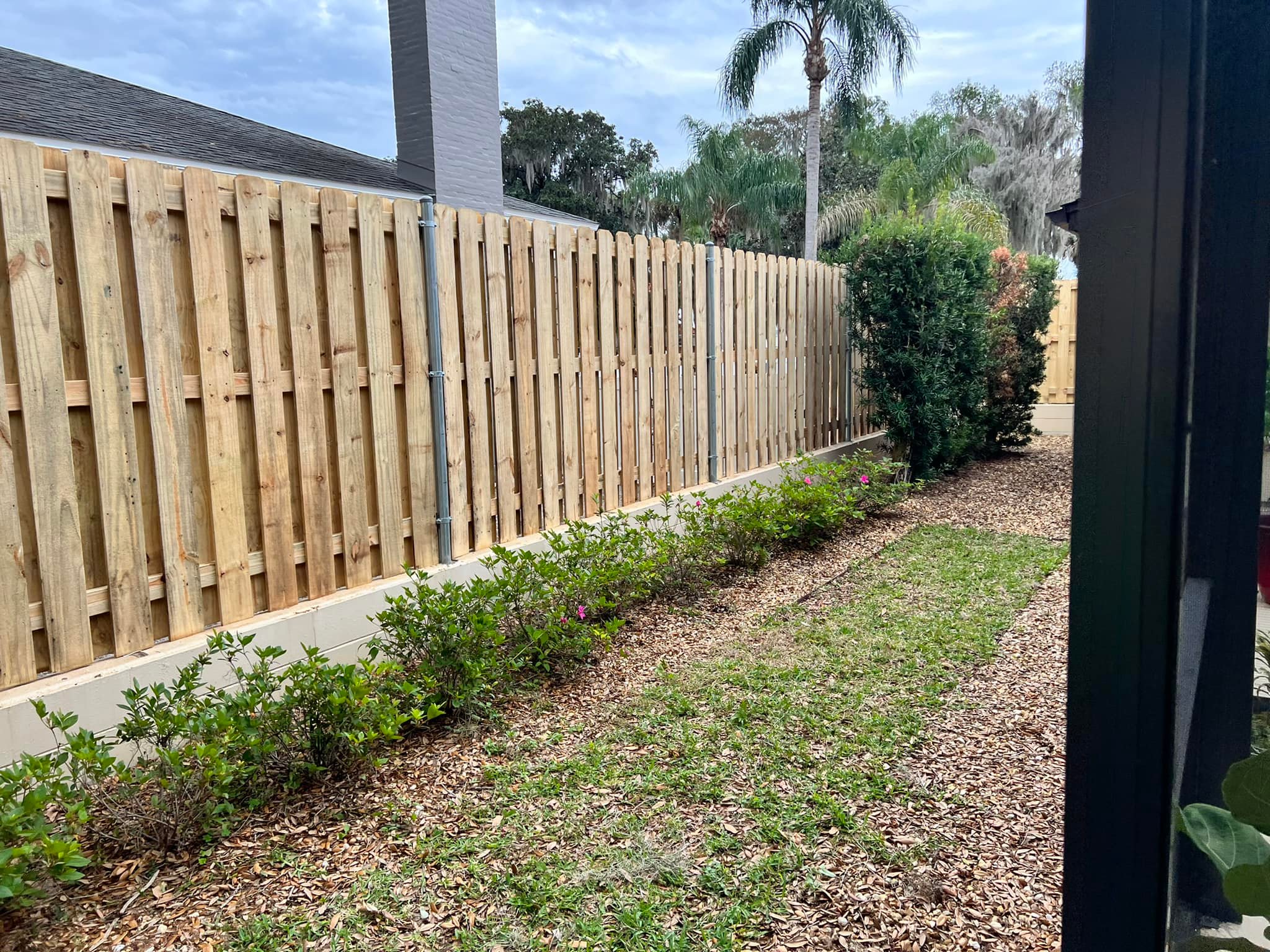
1. Wooden Fences: A classic choice, wooden fences like cedar and redwood offer robust durability and natural beauty. However, in humid or wet climates, they may require regular treatments to prevent rotting and warping. If you reside in a stable climate, this option might provide the aesthetic you're looking for with moderate maintenance.
2. Vinyl Fences: Vinyl fencing shines in areas with fluctuating weather patterns. Its resilience to rain, wind, and UV rays means that it requires minimal upkeep while maintaining its sleek appearance. If low maintenance and longevity are priorities for your fence, especially in harsh climates, consider vinyl.
3. Metal Fences: Options such as aluminum and wrought iron offer sturdy security and a modern look. Aluminum is particularly suitable for coastal areas as it resists corrosion from saltwater, whereas wrought iron is better suited for drier climates due to its susceptibility to rust.
4. Composite Fences: An eco-friendly alternative, composite fences offer the appearance of wood without the high maintenance. Composed of a blend of wood fibers and plastic, these fences thrive in various climates, blending durability and low upkeep. Ideal for both hot and cold regions, composite fencing may be the versatile solution you need.
Long-Term Weather Considerations
When investing in a fence, it's essential to think long-term. In regions with severe weather, such as hurricanes or heavy snowfall, consider reinforcing the structure. Proper installation by Browne’s Yard Creations ensures that severe weather impacts are minimized. Opt for materials that can be repaired or replaced easily in case of damage, avoiding unnecessary costs in the future.
Maintenance Approaches
Regardless of the material, regular maintenance is crucial to prolong your fence's lifespan. Applying treatments and sealants can help protect wooden fences from moisture damage. For metal fences, periodic painting or coating application prevents rust, while vinyl and composite fences benefit from a simple wash to remove dirt and debris.
Conclusion
Selecting the perfect fencing material for your climate is a vital decision that Browne’s Yard Creations can help you navigate. By understanding your local weather patterns and the strengths of each material, you make an informed choice, ensuring your fence remains a beautiful and functional part of your property for years to come. Whether you prioritize aesthetics, low maintenance, or durability, there's a fencing solution tailored to your needs. Let Browne’s Yard Creations guide you to a decision that enhances both your home's value and your peace of mind.
/filters:no_upscale()/filters:format(webp)/media/3cf45455-d1db-4b19-841e-7a3da11144fc.jpeg)
/filters:no_upscale()/filters:format(webp)/media/29054e46-f04a-46d5-abd3-dabe59d36444.jpeg)